
What Is an EPC? Energy Performance Certificates Explained
Reviewed by Mr D Bagga, Director / Lawyer, ASR Advantage Law Solicitors · SRA 7003313 · CLC 2551
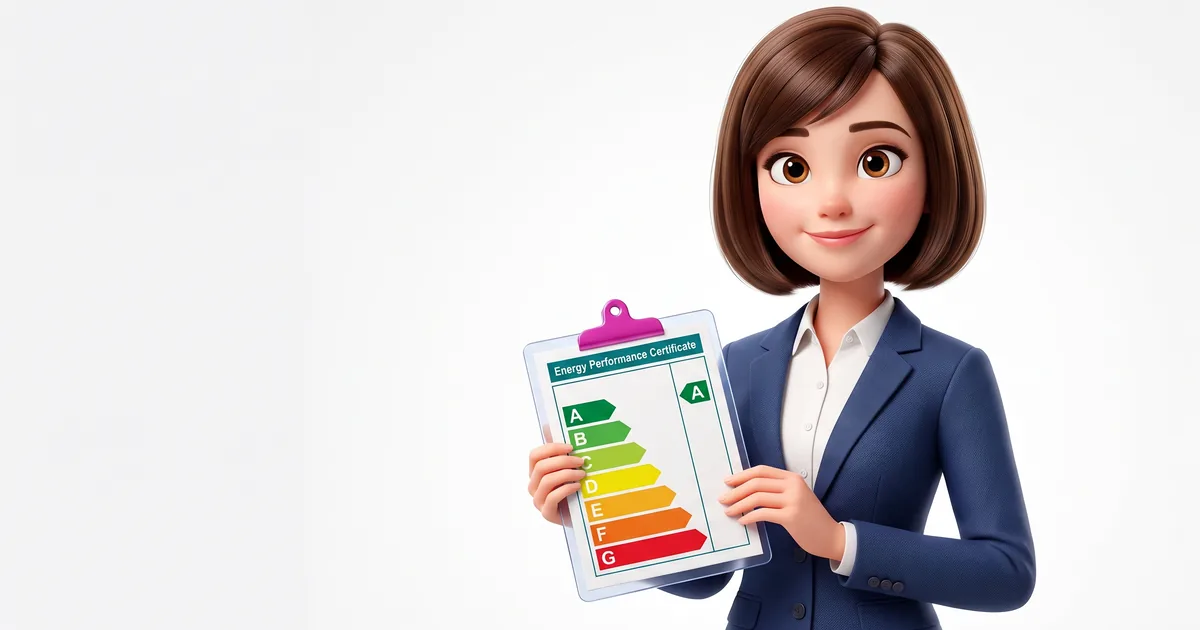
If you are buying, selling, renting or letting a property in the UK, you may have heard the term EPC.
But what is an EPC, what does an EPC rating mean, how long does an EPC last, and do you need one when selling or renting a property?
In this guide, we explain everything you need to know about Energy Performance Certificates (EPCs) in simple terms.
What Is an EPC?
EPC stands for Energy Performance Certificate.
An EPC provides information about the energy efficiency of a property. It gives the property an energy efficiency rating from A to G, with A being the most energy efficient and G being the least efficient.
An EPC also provides information about the property’s estimated energy use and gives recommendations for improvements that could make the property more energy efficient.
In England, Wales and Northern Ireland, an EPC is generally required when a property is built, sold or rented, subject to certain exemptions.
An EPC is therefore an important document for homeowners, buyers, landlords and tenants.
What Does an EPC Rating Mean?
An EPC uses a scale from A to G:
| Rating | General meaning |
|---|---|
| A | Very energy efficient |
| B | Energy efficient |
| C | Good energy efficiency |
| D | Average energy efficiency |
| E | Relatively inefficient |
| F | Inefficient |
| G | Very inefficient |
The rating is designed to give you an indication of how energy efficient the property is.
A higher EPC rating can indicate that a property should require less energy to achieve the same level of heating and comfort than a less efficient property, although an EPC is not a guarantee of actual energy bills.
Why Is an EPC Important?
An EPC can be useful whether you own, sell, buy or rent a property.
For Homeowners
If you own a property, an EPC can highlight areas where the property could become more energy efficient.
Recommendations might include improvements such as:
-
Installing or improving loft insulation.
-
Improving wall insulation.
-
Upgrading windows.
-
Improving heating systems.
-
Installing more efficient lighting.
-
Installing renewable energy technology.
-
Improving hot water systems.
The recommendations will depend on the individual property and the assessment carried out.
For Buyers
If you are considering buying a property, the EPC can give you an indication of its energy efficiency before you commit to the purchase.
For example, you may compare two similar properties and notice that one has an EPC rating of B while another has an EPC rating of E.
The EPC can therefore form part of your wider property research.
However, buyers should remember that an EPC is only one source of information. It does not replace a property survey or legal checks carried out during conveyancing.
For Landlords
EPCs are particularly important for landlords.
If you rent out a property in England or Wales, minimum energy efficiency standards can apply. Subject to exemptions, a property generally cannot be let where it has an EPC rating below E.
Landlords should therefore understand the current regulations that apply to their property before letting it.
For Tenants
An EPC can help prospective tenants understand the energy efficiency of a property before deciding whether to rent it.
It may also provide useful information about potential improvements and estimated energy performance.
Do You Need an EPC to Sell a Property?
If you are selling a property in England, Wales or Northern Ireland, you will generally need an EPC before marketing the property, unless an exemption applies.
The EPC rating is typically included in property particulars and gives prospective buyers information about the property’s energy efficiency.
This means that if you are preparing to put your home on the market, checking whether your EPC is still valid should be part of your preparation.
Do You Need an EPC to Rent Out a Property?
Generally, landlords in England, Wales and Northern Ireland need an EPC when renting out a property, subject to applicable exemptions.
In England and Wales, landlords should also be aware of the Minimum Energy Efficiency Standards (MEES).
The rules can be complex and may depend on the type of property and whether an exemption applies, so landlords should check the current requirements before marketing or letting a property.
How Long Does an EPC Last?
An EPC is generally valid for 10 years.
You do not normally need a new EPC every time a property is sold or rented if there is already a valid certificate.
However, you may choose to obtain a new EPC if improvements have been made to the property and you want the certificate to reflect those improvements.
For example, if you have installed a new heating system, improved insulation or replaced windows, a new assessment may result in a different EPC rating.
How Do You Get an EPC?
An EPC must be produced by an appropriately accredited domestic energy assessor.
The assessor visits the property and collects information about the building and its energy-related features.
This can include information such as:
-
The property’s construction.
-
Walls and roof.
-
Windows.
-
Heating system.
-
Hot water system.
-
Insulation.
-
Lighting.
-
Renewable energy features.
The assessor then produces the EPC and energy efficiency rating.
If you are selling or letting your property, it is important to use an appropriately qualified and accredited assessor.
How Much Does an EPC Cost?
The cost of an EPC is not a fixed national fee.
Prices can vary depending on factors such as:
-
Property size.
-
Property type.
-
Location.
-
The assessor.
-
Availability and demand.
It is worth comparing quotes from accredited assessors, while also checking exactly what is included.
What Information Is Included in an EPC?
An EPC typically contains:
The Energy Efficiency Rating
This is the familiar A to G rating.
Estimated Energy Performance
The certificate provides information about the property’s energy performance based on the assessment methodology.
Recommendations
The EPC can identify improvements that may help make the property more energy efficient.
Potential Rating
The certificate may also indicate how the property’s rating could improve if recommended measures were carried out.
This can help homeowners understand where energy efficiency improvements may be possible.
What Is the Difference Between an EPC and a Property Survey?
An EPC and a property survey serve completely different purposes.
An EPC assesses energy performance.
A property survey assesses the condition of the building.
An EPC is not designed to identify problems such as:
-
Structural movement.
-
Damp.
-
Roof defects.
-
Subsidence.
-
Defective wiring.
-
Plumbing problems.
-
Timber defects.
If you are buying a property, you should consider whether you need an appropriate survey in addition to the EPC.
What Is the Difference Between an EPC and an Energy Bill?
An EPC does not tell you exactly how much the property’s future energy bills will be.
The certificate uses a standardised assessment methodology to estimate energy performance.
Actual energy costs can vary considerably depending on factors such as:
-
How much energy the occupants use.
-
The temperature they choose.
-
Energy tariffs.
-
How many people live in the property.
-
How often the heating is used.
-
Changes in energy prices.
Therefore, an EPC should be viewed as an indication of energy performance rather than a prediction of your exact household bills.
Can You Improve Your EPC Rating?
Yes. Depending on the property, there may be several ways to improve its energy efficiency.
Common improvements can include:
Better insulation
Improving insulation can reduce heat loss.
More efficient heating
Replacing an older heating system with a more efficient alternative may improve energy performance.
Improved windows
Upgrading windows can potentially reduce heat loss.
Energy-efficient lighting
Modern lighting can use less electricity than older alternatives.
Renewable energy
Technologies such as solar panels may improve a property’s energy performance, depending on the circumstances.
Before carrying out improvements, homeowners should consider the cost, suitability and potential return on investment.
Is an EPC Required for Every Property?
No.
There are exemptions and special circumstances where an EPC may not be required.
The rules can depend on the property’s type, age, use and other circumstances.
For example, certain listed buildings may be exempt where meeting minimum energy performance requirements would unacceptably alter their character or appearance.
If you believe your property may be exempt, it is important to check the current government guidance rather than assuming an exemption applies.
Where Can You Find an EPC?
For properties in England, Wales and Northern Ireland, EPC information can be accessed through the relevant government EPC registers.
If you are buying or renting a property, the estate agent or landlord should normally be able to provide the relevant EPC information where required.
What Happens If My EPC Has Expired?
If an EPC has been valid for 10 years, you may need a new certificate depending on what you are doing with the property.
For example, if you are preparing to sell or let your property, you should check whether you have a current EPC that meets the applicable requirements.
Obtaining a new EPC in advance can help avoid delays when preparing a property for sale or letting.
EPCs and the Property Buying Process
If you are buying a home, your EPC is just one part of the wider property-buying process.
Your estate agent helps market and negotiate the property.
Your conveyancer deals with the legal aspects of the purchase.
Your mortgage lender assesses your borrowing and lending requirements.
Your surveyor can assess the condition of the property.
Your EPC provides information about energy efficiency.
Understanding what each professional and document does can make the property-buying process much easier to navigate.
Final Thoughts: Why Is an EPC Important?
An Energy Performance Certificate is an important part of buying, selling and renting property in the UK.
It provides a straightforward A-to-G energy efficiency rating, highlights potential improvements and gives buyers and tenants useful information about the property’s energy performance.
If you are selling or letting a property, make sure you understand whether you need a valid EPC and whether any exemptions apply.
If you are buying a property, take the EPC into consideration alongside the property’s condition, location, price, survey and legal information.
An EPC is not simply another piece of paperwork. It can give you valuable insight into how energy efficient a property is and what improvements may be possible in the future.
Frequently asked questions
What does EPC stand for?
What is the best EPC rating?
Is an EPC required to sell a house?
How long is an EPC valid?
Can I sell my house without an EPC?
Does an EPC tell me my exact energy bills?
Can a poor EPC rating affect selling a house?
Know what your move will cost
Get a fixed-fee conveyancing quote in minutes — every line item shown, no callback required.
Get my quoteKeep reading

Joint Tenancy vs Tenants in Common
One choice decides whether your share passes automatically to your co-owner, or to whoever you name in your Will. Most buyers make it in under a minute.

What Is a Defective Title?
Indemnity insurance can make a title problem survivable. What it cannot do is make the problem go away — and that difference catches buyers out.

What Does a TR1 Form Include?
Twelve panels decide who owns what. One of them quietly determines whether your share passes under your Will — here is what each part does.